Implementing Zero-Trust Architecture in Kubernetes on AWS
Defending cloud-native microservices against lateral movement, credential theft, and supply chain vulnerabilities.

KEY ARCHITECTURAL TAKEAWAYS
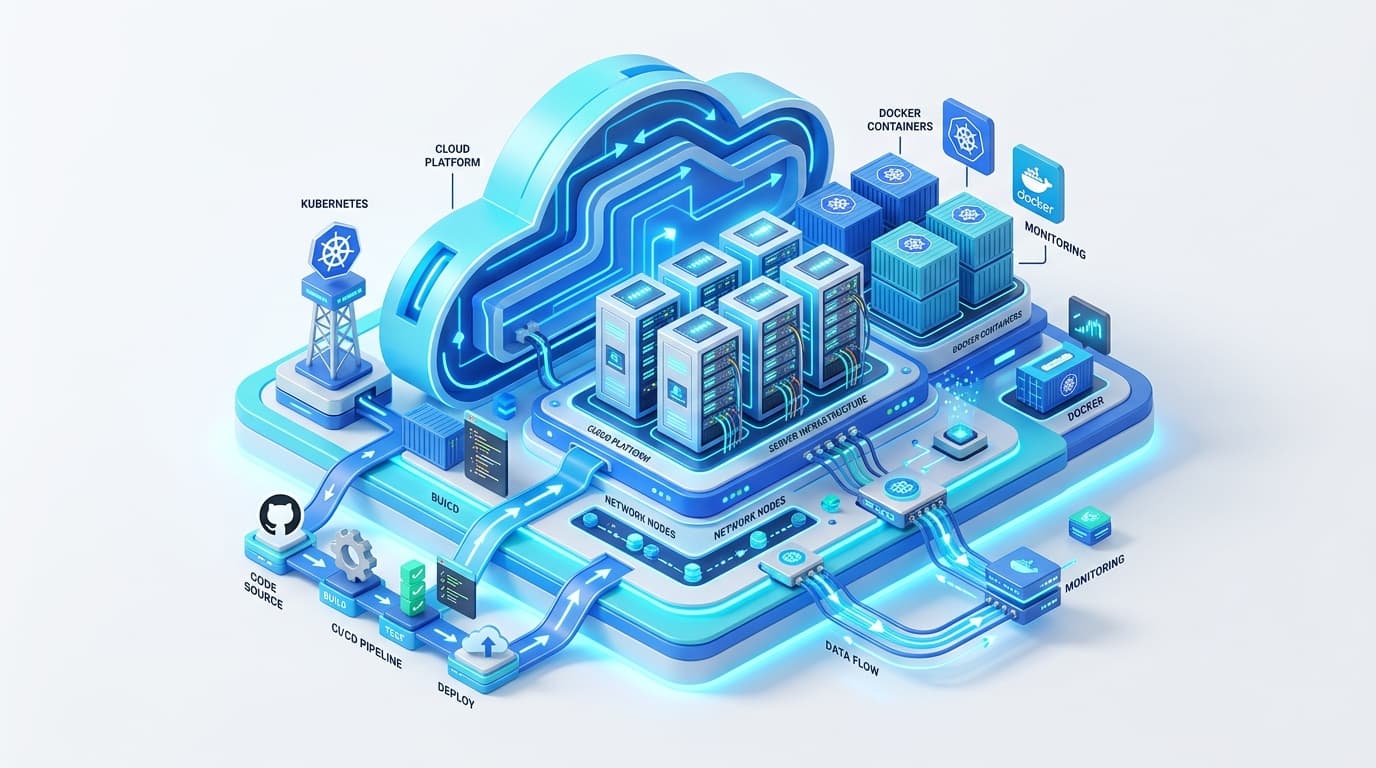
- Perimeter-only defense is obsolete; assume breach and verify every internal microservice call.
- Cilium eBPF enables wireguard-encrypted mTLS without the latency overhead of traditional sidecars.
- IAM Roles for Service Accounts (IRSA) eliminates hardcoded AWS access keys inside container pods.
- Automated CI/CD container scanning stops critical CVEs before deployment to staging or production.
The Fallacy of the Perimeter Castle
For years, corporate IT relied on firewall perimeters: once traffic passed through the ingress load balancer, all internal service-to-service communication occurred over unencrypted, unauthenticated plain HTTP. If an attacker exploited a single vulnerable npm dependency in a minor service, they gained lateral access to the entire cluster.
Zero-Trust operates on three fundamental tenets: verify explicitly, grant least-privilege access, and assume breach. Every network hop between Pod A and Pod B must be cryptographically authenticated and authorized.
Harnessing eBPF and Cilium for High-Throughput mTLS
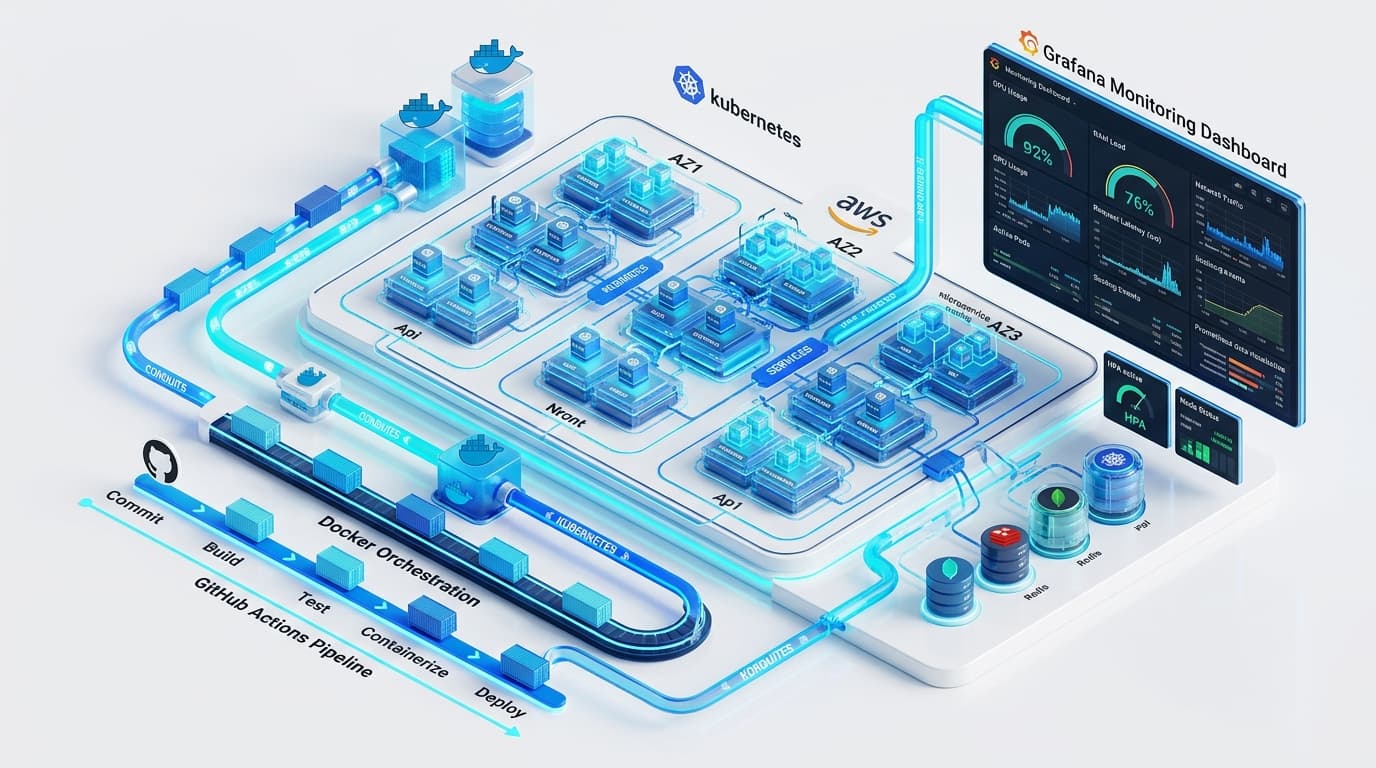
Traditional service meshes inject an Envoy proxy sidecar container next to every pod, which can inflate cluster memory usage and add 3 to 5 milliseconds of network latency per hop. By utilizing Cilium and eBPF in the Linux kernel, mutual TLS encryption is handled at the network socket layer with near-zero CPU overhead.
Ephemeral Secrets and Automated Continuous Auditing
By pairing AWS Secrets Manager with external-secrets-operator, database credentials and third-party API keys are rotated automatically every 30 days without pod restarts or manual human intervention.
Hari Krishan
Hari specializes in immutable cloud infrastructure, multi-region Kubernetes clusters, and zero-trust security postures.
Need Help Implementing This in Your Business?
Our principal architects and engineers are available for strategic consultation, architecture reviews, and full-stack software development.